
Take the Train to the Heather: Wild Moorland Walks Await
Getting There Without a Car
Wildlife Highlights Across the Heather
Birdlife, from skylark spirals to elusive harriers
Listen first: skylarks draw spirals into the air, meadow pipits parachute, and curlews flood wide spaces with liquid calls. Keep binoculars steady, scan edges of peat hags and airy ridges, and note silhouettes, not just colors. Ground‑nesters need space, especially in spring. Step wide of signed areas, leash dogs near birds, and accept distance as a kindness. A respectful watch from a windswept path can feel richer than any close approach.
Plants and peat under careful footsteps
Beneath your boots lies a slow‑growing archive of climate and time. Sphagnum moss builds peat that stores carbon and water, yet bruises easily. Spot starry bog asphodel, cotton‑grass, and tiny carnivorous sundews shining like wet jewels. Keep to robust paths and boardwalks where provided, avoiding fragile domes. Notice how heather ages in patches, creating shelter for insects and chicks. Every mindful step helps this living sponge continue slowing floods and nurturing life.
Practicing quiet watching and thoughtful fieldcraft
Wildlife often appears when we soften our presence. Move slowly, keep voices low, and pause where wind meets slope changes, letting your eyes adjust to textured distances. Use clothing colors that blend gently with moor tones. Sit for ten minutes; rhythms reveal themselves. If an animal changes behavior, you are too close. Back off, choose a longer lens rather than a closer step, and let wonder arrive on its own terms.
Seasonal Windows and Weather Wisdom
Spring song rising over glinting pools
Walkers arriving by morning trains may hear the year’s first skylark climbs before commuters finish their coffees. Curlews bubble over damp edges while lapwings loop and tumble. Paths can be saturated, so step consciously, choosing firmer ribs between peaty hollows. Keep dogs close; nests can hide inches from boot‑prints. Slow down, breathe cool air, and let returning light reveal beetles, buds, and the start of a long, generous walking season.
Summer heat, rolling storms, and tiny midges
Long days tempt ambitious traverses between stations, yet heat saps energy on shadeless tops. Carry more water than you think, plus a head net and repellent for still evenings. Watch thunder forecasts; bail early if anvils build. Seek streams for cooling breaks without trampling bankside plants. Early trains reward with quiet paths and attentive wildlife, while late returns showcase soft dusk on heather bells and owls ghosting across contouring tracks.
Autumn gold and winter’s honest edge
As bracken rusts and berries glow, trains deliver walkers into crisp air and generous light. Ground may already freeze in hollows. Short days demand punctual departures and spare head‑torch batteries. On snow or ice, wind finds everything; route selection matters more than bravado. Choose edges with clear escape lines, not featureless plateaus. Wildlife concentrates near shelter and food; your patience, warmth, and respectful distance will be repaid by shy, unforgettable glances.
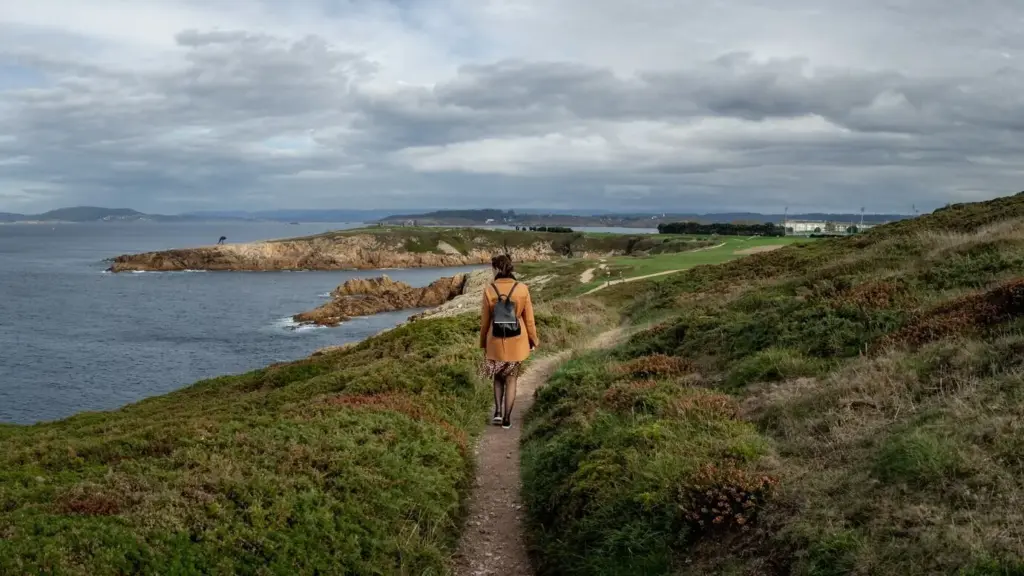
Routes You Can Start From a Platform

Packing for bog and changeable skies
A compact rucksack keeps boarding simple and walking nimble. Stash gloves even in spring, a light insulating layer, and a brimmed cap for glare and drizzle. Gaiters help when paths vanish into soft ground. Carry high‑energy snacks that survive bumps, plus a flask for morale. Balance redundancy and weight; two lights beat one heavy torch. A small sit‑pad warms lunch stops, turning windswept stones into welcoming perches for scanning horizons and birds.
Navigation with paper, pixels, and prudence
Apps are brilliant until batteries dip in cold wind. Bring a paper map, compass, and the skill to use both when cloud swallows features. Mark exit points, walls, and streams as handrails. Offline GPX tracks help, yet remain flexible when wildlife, erosion repairs, or weather ask for change. Keep your phone warm and on airplane mode to stretch charge. Confidence grows when tools overlap, building calm decisions far from roads or crowds.
Treading lightly on sensitive peatlands
Peat stores astonishing carbon and water, but compresses and erodes under careless feet. Choose durable paths and flags, step stones across trickles, and resist short‑cuts that cut scars. Sit well away from nest sites, and keep dogs close, especially March through July. Pack out every crumb and tissue, leaving nothing but impressions that spring back by morning. Share gentle examples online, inspiring others to care for these rare, hardworking landscapes.
Community, Safety, and Inclusive Access
Finding travel buddies and friendly groups
Access rights, dogs, and nesting‑season care
Sharing sightings ethically to support science
All Rights Reserved.